Comparisons
Phase 2 knowledge base
Powder Coat vs Galvanizing
Use this matrix to decide whether the finish should be driven by appearance, durability, or the project environment.
Need CMF to evaluate the finish against a real project environment? Use /quote/, call 647-407-0171, or email info@canadianmetalfab.com.
- Use the matrix when environment and finish expectations conflict.
- The page compares barrier logic against sacrificial protection.
- Duplex belongs in the conversation when color and durability both matter.
- Written for project teams making a real commercial decision.
Finish context
The route is built for the moment when a finish decision stops being aesthetic and starts affecting service life.
How CMF reads this finish decision
This page is written for commercial buyers who need a practical finish decision, not a generic coating explainer. The matrix below shows how each system protects the part, how it behaves when damaged, and when a duplex approach becomes the better commercial answer.
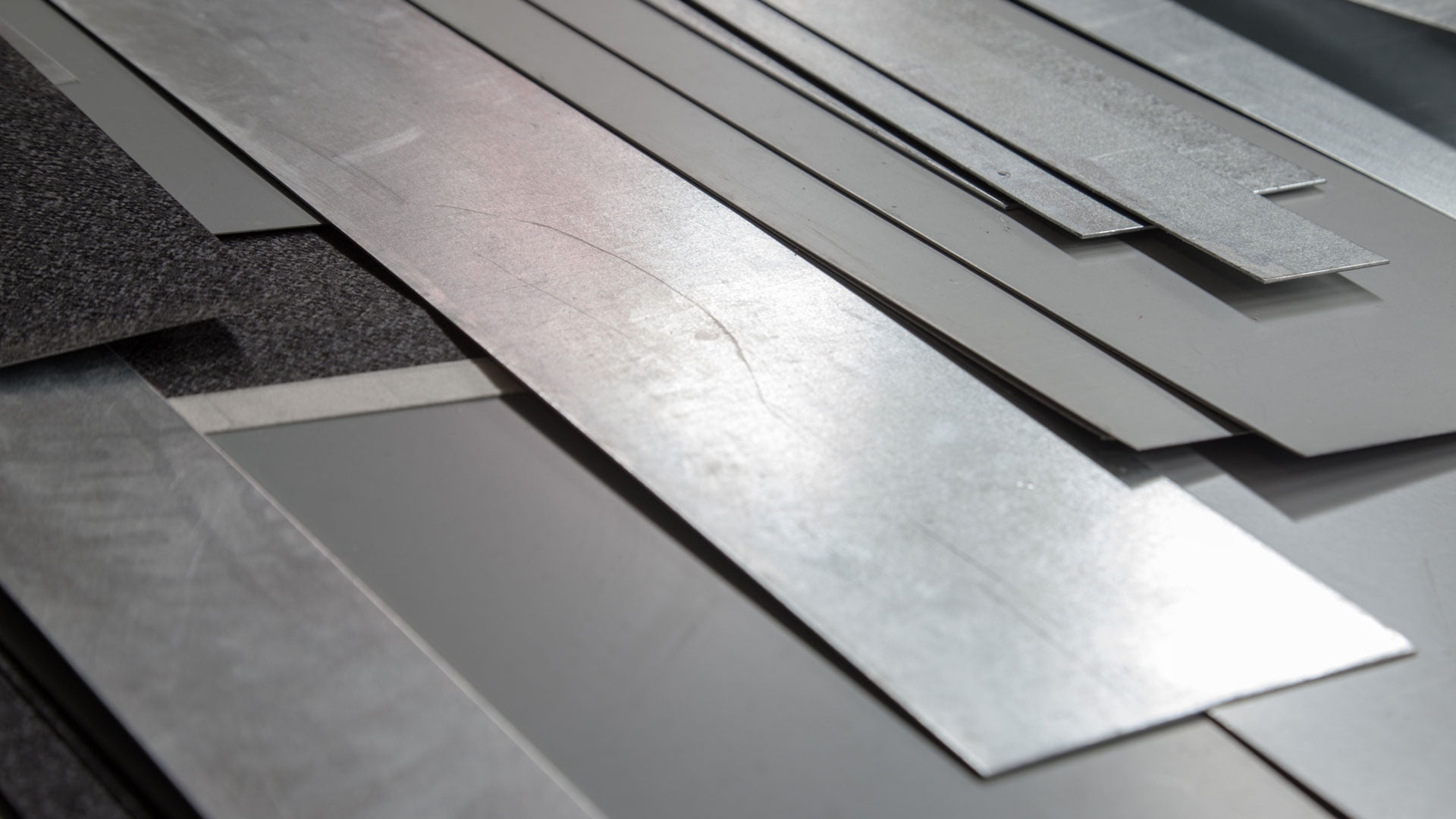
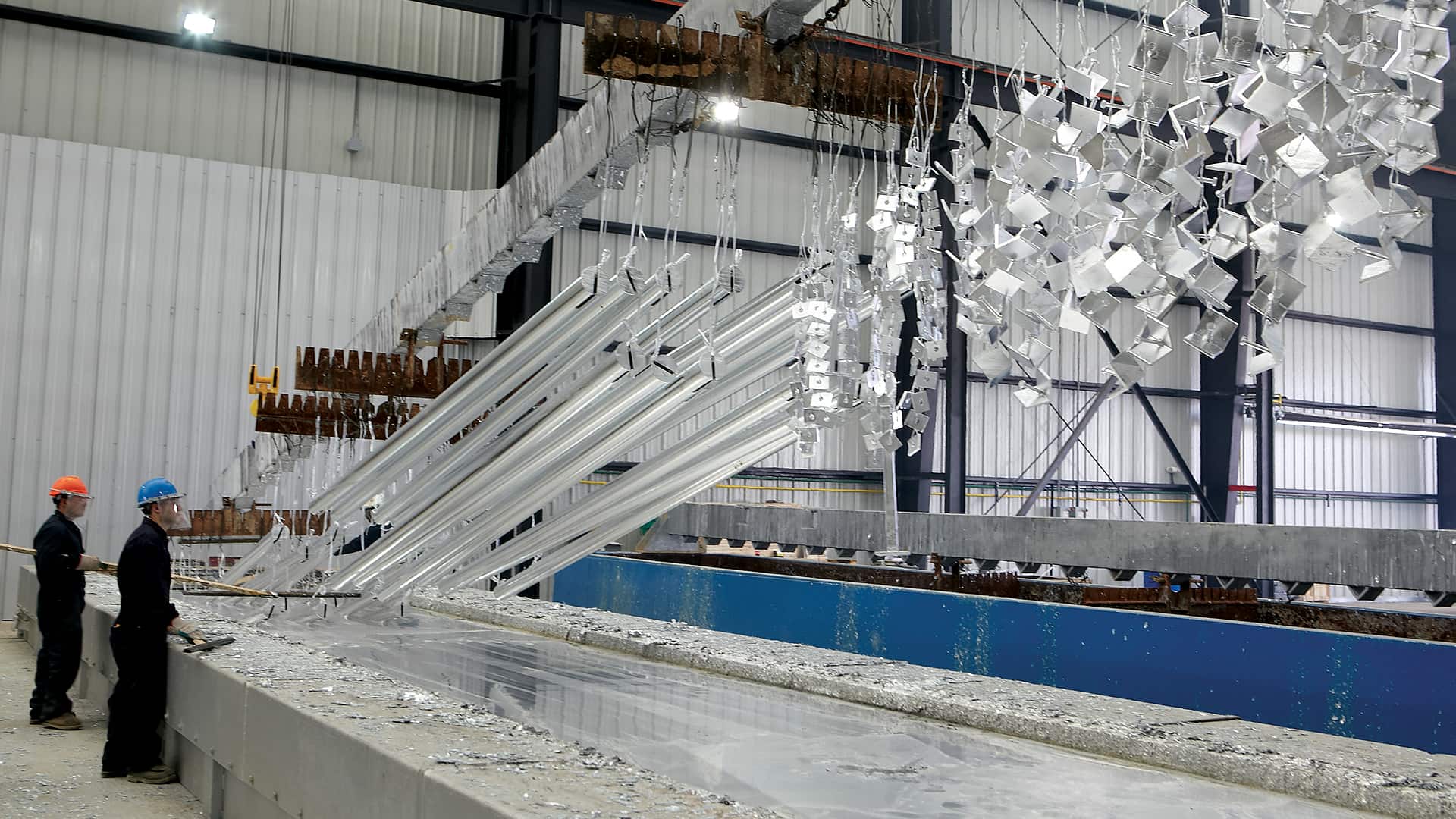
- Galvanizing is usually the safer exterior default.
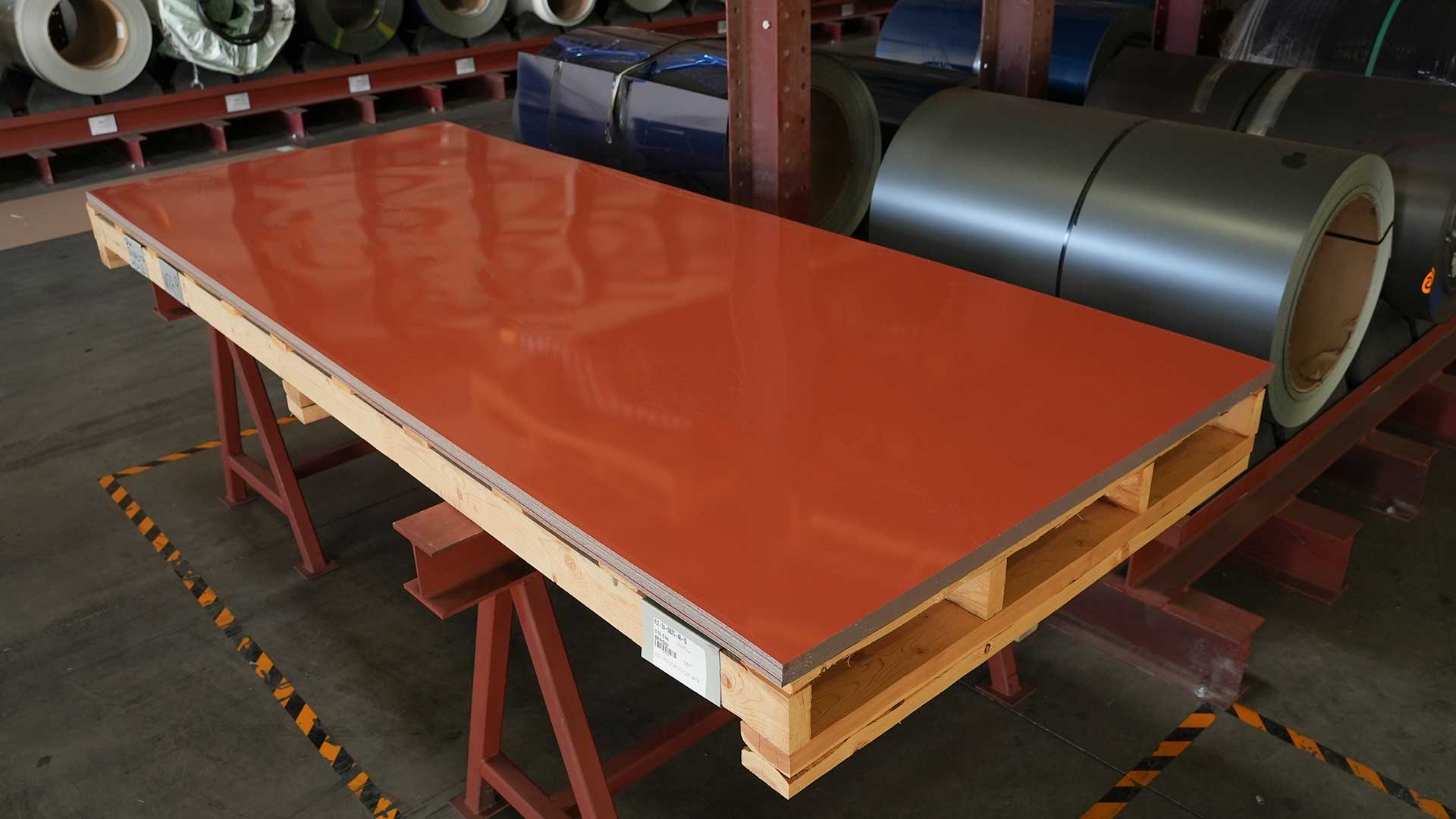
- Powder coat is stronger when appearance and color control matter.
- A duplex system belongs in the conversation when the part needs both a durable substrate and a finish target.
- Ask for an environment review whenever salt, abrasion, constant wetting, or UV exposure could change the answer.
Finish decision matrix
Read each row as a project question. When the site is wet, salty, abrasive, or hard to maintain, the safer answer usually moves toward galvanizing or a duplex system.
| Decision point | Barrier finishPowder coat | Sacrificial finishGalvanizing |
|---|---|---|
| Corrosion-protection mechanism | Provides a cured barrier layer over the substrate. Performance depends on surface prep, coating coverage, and keeping the film intact. | Uses zinc as a sacrificial layer, so the coating can protect exposed steel even after minor damage or edge wear. |
| Damage behavior | Chips and scratches can expose the base metal, so local damage deserves touch-up and inspection. | Scuffs are usually less critical because the zinc layer continues to sacrifice itself before the steel underneath rusts. |
| Appearance and color options | Offers the broadest color, gloss, and branding flexibility when visual consistency matters. | Leaves a metallic finish that is more utilitarian, though it can still be painted or top-coated when the project calls for it. |
| Maintenance expectations | Works best when the coating can be kept intact and touched up when damaged. | Usually needs less day-to-day concern after installation, especially on exterior parts that get handled or see weather. |
| Up-front vs lifecycle cost | Can be economical when the appearance target is high and the environment is controlled, but recoat risk matters if the part gets abused. | Often wins on lifecycle value for exposed commercial work because the zinc layer extends service life in harsh conditions. |
| Outdoor / harsh-environment fit | Best when exposure is moderate, the part is accessible, and appearance is a higher priority than sacrificial protection. | Usually the safer recommendation for exterior service, wet conditions, and sites with abrasion, splash, or handling. |
| Best-fit applications | Interior brackets, guards, architectural accents, and parts where color matching or finish control matters most. | Exterior trims, formed components, site hardware, and commercial parts that need a tougher baseline of corrosion protection. |
| When to mention a duplex system | Powder coat over galvanized steel is worth discussing when the project needs both color and a longer-lived substrate protection story. | The zinc layer plus topcoat combination is often the best answer when the finish needs to look good and survive real exposure. |
Corrosion-protection mechanism
Powder coat
Provides a cured barrier layer over the substrate. Performance depends on surface prep, coating coverage, and keeping the film intact.
Galvanizing
Uses zinc as a sacrificial layer, so the coating can protect exposed steel even after minor damage or edge wear.
Damage behavior
Powder coat
Chips and scratches can expose the base metal, so local damage deserves touch-up and inspection.
Galvanizing
Scuffs are usually less critical because the zinc layer continues to sacrifice itself before the steel underneath rusts.
Appearance and color options
Powder coat
Offers the broadest color, gloss, and branding flexibility when visual consistency matters.
Galvanizing
Leaves a metallic finish that is more utilitarian, though it can still be painted or top-coated when the project calls for it.
Maintenance expectations
Powder coat
Works best when the coating can be kept intact and touched up when damaged.
Galvanizing
Usually needs less day-to-day concern after installation, especially on exterior parts that get handled or see weather.
Up-front vs lifecycle cost
Powder coat
Can be economical when the appearance target is high and the environment is controlled, but recoat risk matters if the part gets abused.
Galvanizing
Often wins on lifecycle value for exposed commercial work because the zinc layer extends service life in harsh conditions.
Outdoor / harsh-environment fit
Powder coat
Best when exposure is moderate, the part is accessible, and appearance is a higher priority than sacrificial protection.
Galvanizing
Usually the safer recommendation for exterior service, wet conditions, and sites with abrasion, splash, or handling.
Best-fit applications
Powder coat
Interior brackets, guards, architectural accents, and parts where color matching or finish control matters most.
Galvanizing
Exterior trims, formed components, site hardware, and commercial parts that need a tougher baseline of corrosion protection.
When to mention a duplex system
Powder coat
Powder coat over galvanized steel is worth discussing when the project needs both color and a longer-lived substrate protection story.
Galvanizing
The zinc layer plus topcoat combination is often the best answer when the finish needs to look good and survive real exposure.
Galvanizing is the safer recommendation
Use galvanizing when the part will live outdoors, get handled, or see chips, abrasion, or weathering that would make a straight barrier finish brittle from a risk standpoint.
Powder coat is appropriate
Choose powder coat when appearance, color, or branding matters more than sacrificial corrosion performance and the project exposure is moderate or controlled.
Duplex should be on the table
Mention powder coat over galvanized steel when the buyer wants both a finish target and a longer-life corrosion package instead of treating the two options as either/or.
Ask for environment review when conditions are uncertain
Salt, chemicals, constant wetting, pooling water, UV, and heavy handling can shift the recommendation fast, so those projects should be reviewed against the actual site conditions.
Reference-first guidance. Confirm coating sequence, edge prep, and actual exposure before release.
Finish guidance
Need CMF to sanity-check the finish against the actual site conditions?
Send the part, finish target, and environment notes through the existing quote flow. CMF can usually tell you quickly whether galvanizing, powder coat, or a duplex system is the better commercial fit.
- Use the existing quote flow instead of a separate construction-only form.
- Phone and email stay available if the question is easier to answer live.
- The recommendation stays grounded in the actual exposure, not just the finish name.
Request a QuoteCall 647-407-0171
Or use /quote/ for the cleanest handoff; phone and email stay open if that is faster.