Low-angle view of a glass curtain-wall high-rise building
Specialist support

Adjacent support parts that keep glazing and curtain-wall packages moving.

CMF fabricates the light-gauge support components facade teams need around the opening without overstating full system scope.

Support lane only. This page is for adjacent fabricated parts, not full curtain-wall system supply or field installation.

Glazing and curtain-wall context
Frequent parts

Common glazing-support parts sent out for pricing

Facade teams usually RFQ these adjacent components when they need closure, opaque-zone backing, and perimeter coordination around the opening.

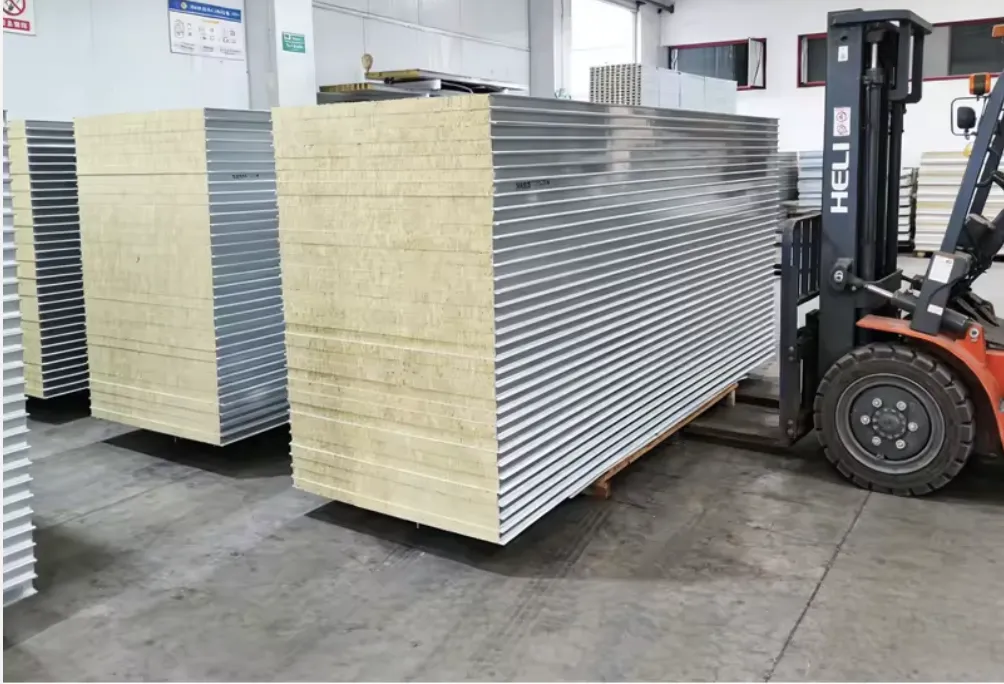
Large stack of insulated back pan assemblies with light-colored infill cores in the fabrication shop

Insulated Back Pans

Back pans are one of the most common support RFQs in opaque and spandrel zones because they combine closure, insulation, and coordination into one fabricated part.

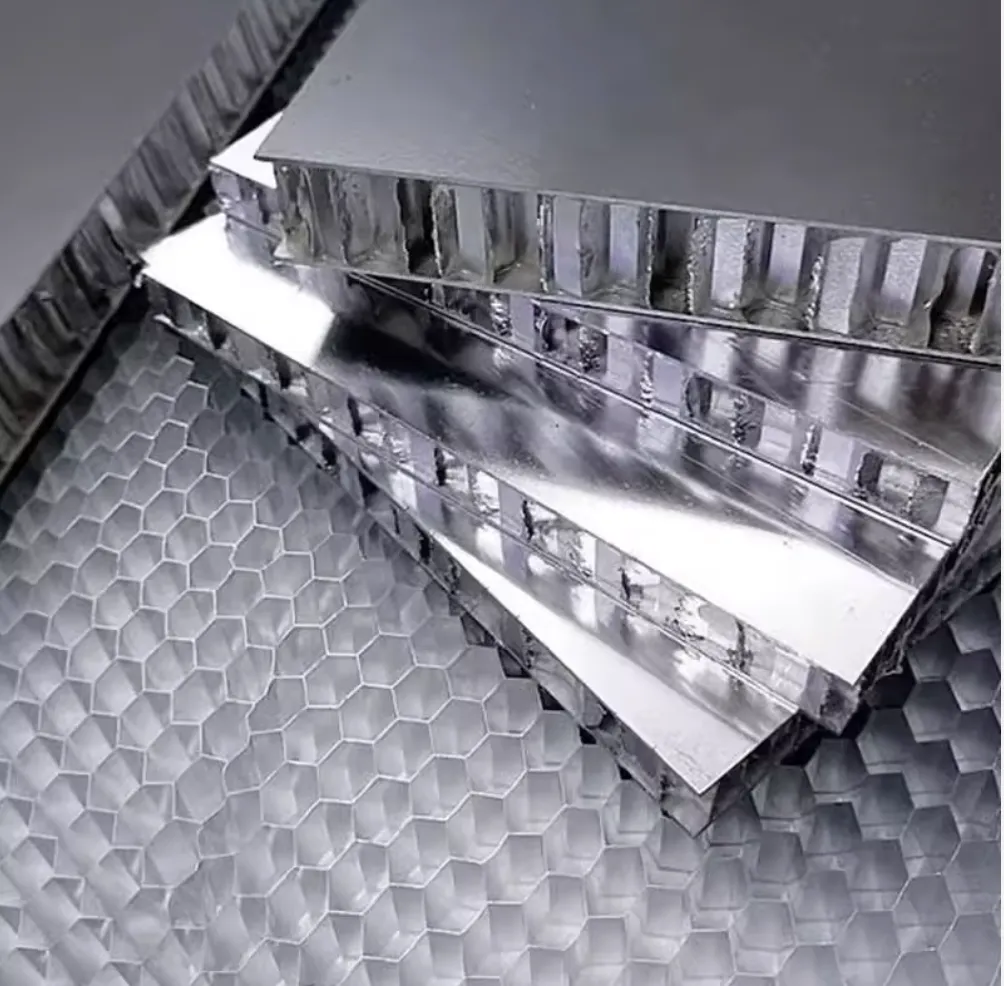
Close-up of metallic interior closure panel sections with a honeycomb-style core

Interior Closure Panels

Interior closure panels help close off exposed structure cleanly behind curtain-wall or storefront openings.
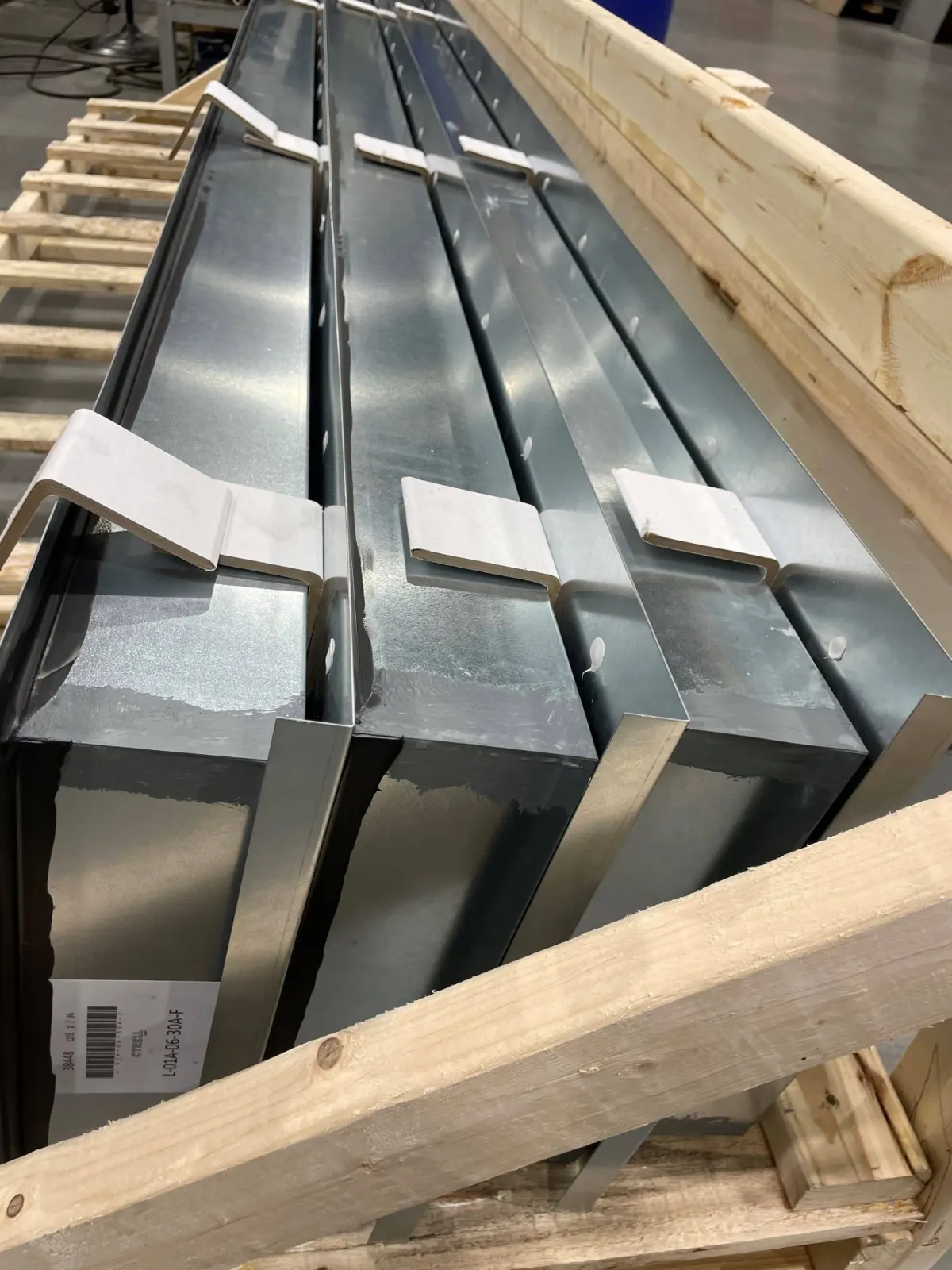
Crated shadow-box style fabricated panel assemblies prepared for shipment

Shadow-Box Panels

Shadow-box components show up where the facade design wants depth behind glass while still relying on brake-formed support parts and coordinated finishes.
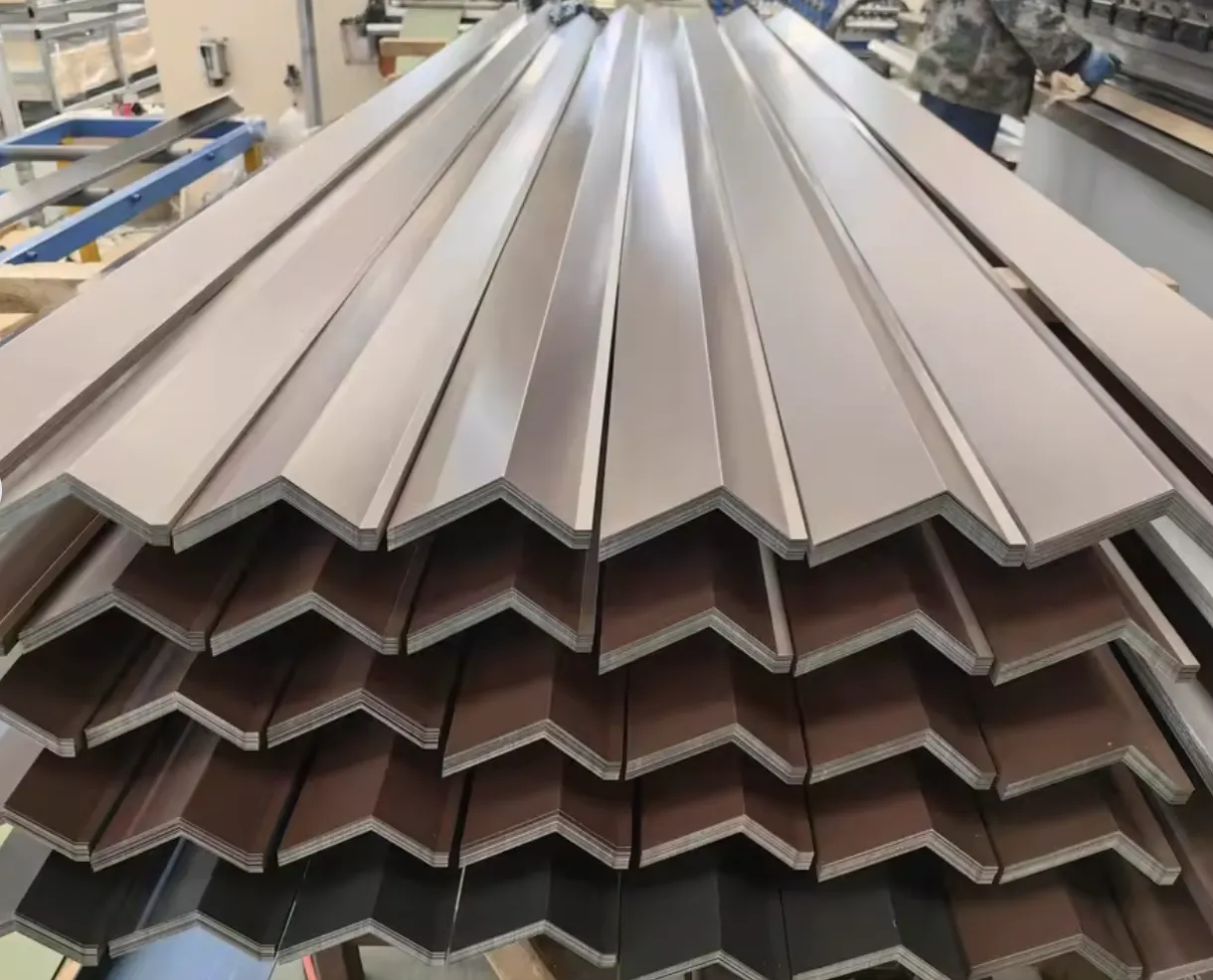
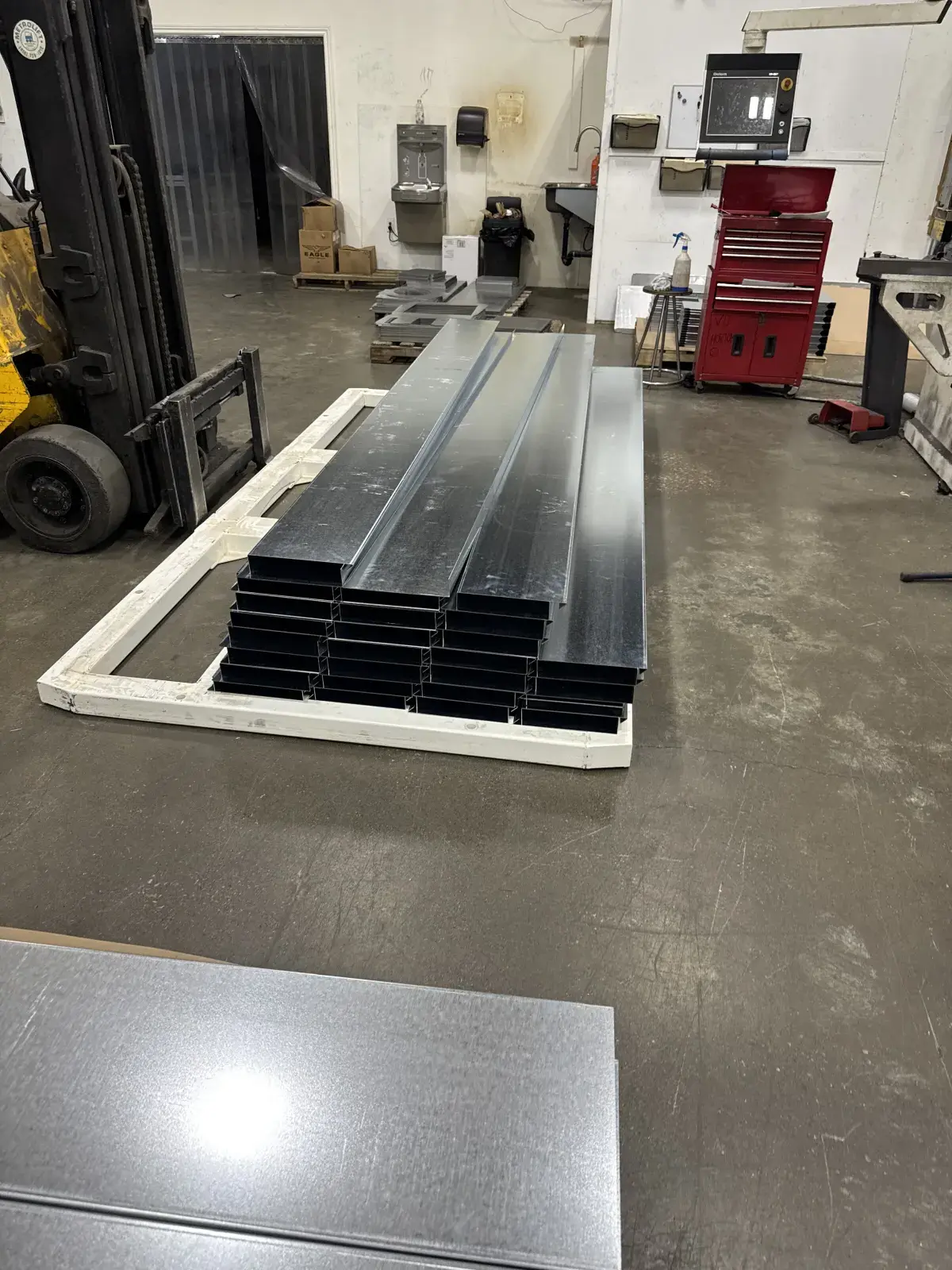
Stack of long brake-formed sill closure and flashing pieces with crisp bends

Sill Closure And Flashing Pieces

Sill conditions are often quoted on their own because they sit at a high-risk water interface and usually require drawing-specific geometry.
Curved and rectangular head and jamb closure assemblies laid out on a shop floor

Head And Jamb Closures

Head and jamb pieces are common RFQ items wherever facade teams need formed parts to finish perimeter conditions around glazing frames.
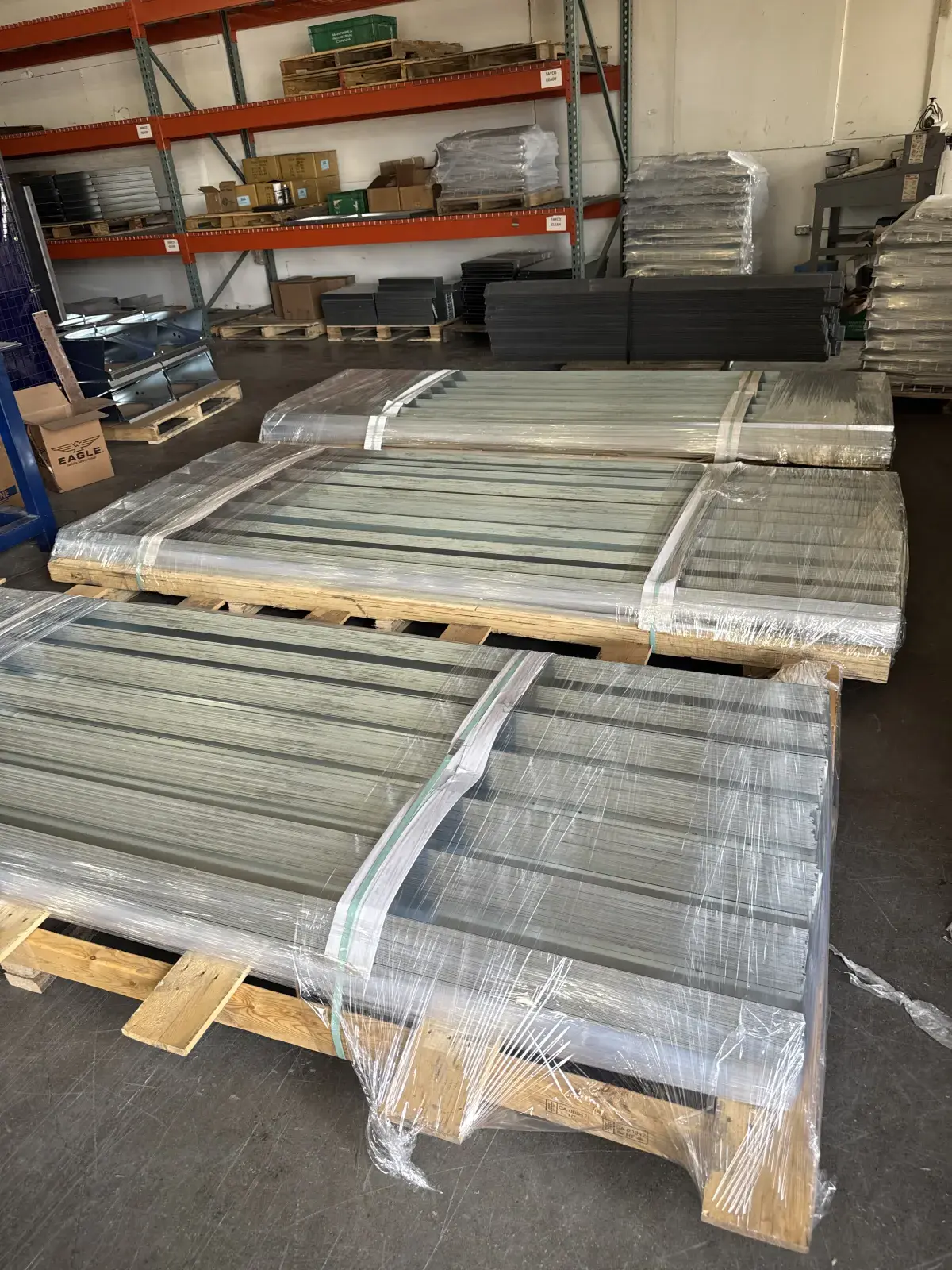
Wrapped perimeter trim and slab-edge closure parts staged on pallets in the shop

Perimeter Trims And Slab-Edge Closures

These support parts get purchased when the hidden interface around the opening needs a clean, buildable closure rather than a broad system redesign.

Project references

Project references that show the facade context

A quick look at the kind of exterior package these support parts sit inside.

Overall exterior building view of 18 Queen Street in Kingston
Mixed-use facade Kingston, ON

18 Queen St

A high-rise exterior package with panel zones, glazed openings, and perimeter conditions that depend on coordinated support parts.

Project overview
  • CMF worked on this project through MITREX as the Tier 1 supplier
  • Mixed-use tower with a panel-forward facade and multiple opening conditions
  • Useful reference for back pans, closures, and perimeter trims around glazing
  • The kind of package where support components have to fit cleanly inside a larger facade scope

Image sourced from Mitrex public project materials.

Exterior view of the Schwartz Reisman Innovation Centre in Toronto
Institutional facade Toronto, ON

Schwartz Reisman Innovation Centre

An institutional facade with custom glazing, skylight transitions, and mullion-heavy geometry that relies on clean adjacent support work.

Project overview
  • CMF worked on this project through ANTAMEX as the Tier 1 supplier
  • Custom facade with glazing, skylight, and punched-window conditions
  • Useful reference for closure pieces, backing components, and transition details
  • A strong example of the precise coordination support parts need around custom facade work

Image sourced from Salient Engineering public project materials.

Commercial package snapshot

Before you send support details

Scope limits, acceptable inputs, and release handling are usually what decide whether a support package moves forward.

01

Support-package reality

The main questions are what fits here and where the scope stops.

Support scope
Back pans, closure pieces, slab-edge trims, shadow-box parts, and adjacent fabricated support components
Material and finish context
Material, coating, and corrosion decisions stay visible because these parts often sit near exposed or weather-sensitive conditions
02

Input and coordination

Most support packages start from partial coordination material, not a perfectly separated release.

Enough to quote
Details, section cuts, model views, and marked-up interface notes are useful when the support geometry is identifiable
Coordination style
The review stays focused on the adjacent fabricated part and its interfaces instead of drifting into full curtain-wall system scope
03

Release and logistics

Once the scope fits, the next question is how the support package will move through the project cleanly.

Quote speed
Commercial quote response within 24 hours
Package handling
Support parts can be grouped by opening, zone, or release sequence so the field team gets the right adjacent components at the right stage

This page is built for adjacent support parts, not a full-system substitution.

Project fit

What qualifies as glazing support work for CMF

This lane works best when the adjacent fabricated part is clear and the scope stays intentionally narrow.

Best fit for CMF

  • Back pans, closure panels, slab-edge trims, shadow-box pieces, and adjacent support parts around glazing systems.
  • Partial details, section cuts, model views, or marked-up screenshots where the interface geometry is clear enough to review.
  • Narrow, component-led scopes that need fabrication support without turning the page into a full curtain-wall supply claim.

Usually out of scope

  • Full curtain-wall or storefront system supply, substitution, or redesign requests.
  • Glazing installation, field labor, or broad facade contracting responsibilities.
  • Packages where the support part is not yet identifiable from the drawings or coordination material.
Existing quote flow

Share support details or drawings for a quote

Send drawings, markups, model views, or project details through the standard quote form. CMF will review the request around adjacent fabricated support parts rather than broad system supply.

  • Support details, markups, and adjacent-part drawings are enough to start.
  • The scope stays on support components rather than full curtain-wall supply.
  • Narrower scope keeps the request clear.
Share facade support details for a quote Browse the resource center

The existing /quote/ flow stays the intake path for all construction pages.

Project FAQ

Glazing / Curtain-Wall Support FAQ

These are the usual scope and coordination questions before support details go out for pricing.

Do you supply full curtain-wall or storefront systems?

No. CMF quotes adjacent fabricated support components such as back pans, closures, trims, and other light-gauge parts that fit into a broader facade package.

Can I send support details before the full facade package is finalized?

Yes. Partial details, marked-up sections, and model views are useful when the support geometry is identifiable. You do not need to wait for a final released package to start the conversation.

Do you quote back pans and closure pieces as standalone package work?

Yes. Those parts are often broken out as their own quote package because they solve a specific interface condition without needing a broader system supplier claim.

Can model views or coordination screenshots help if dimensioned drawings are incomplete?

Yes, as long as they make the adjacent condition and intended fabricated part clear. CMF can use that context to identify what additional dimensions or notes are needed for a clean quote.

Do you install glazing or provide field labor?

No. CMF stays on fabrication and delivery support, not site installation or glazing labor. The goal is to deliver the adjacent fabricated parts the facade team needs to finish the package.

Get a Quote Call Now