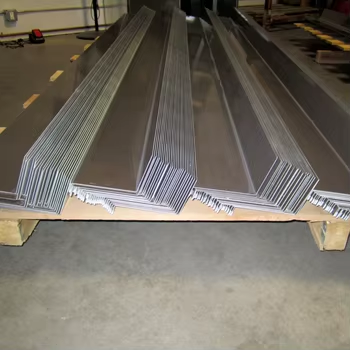
Low-angle view of a modern commercial building facade
First-wave acquisition

Commercial building-envelope parts built to drawings and packaged for install.

CMF fabricates commercial envelope parts that match the detail set, ship organized for the job, and keep the handoff simple for your site team.

Commercial envelope packages only. Not retail roofing, decorative one-offs, or broad facade-system manufacturing.

Architectural envelope context
Frequent parts

Common envelope parts sent out for pricing

Commercial envelope RFQs usually revolve around opening flashings, perimeter edge parts, and parapet water-management details like these.

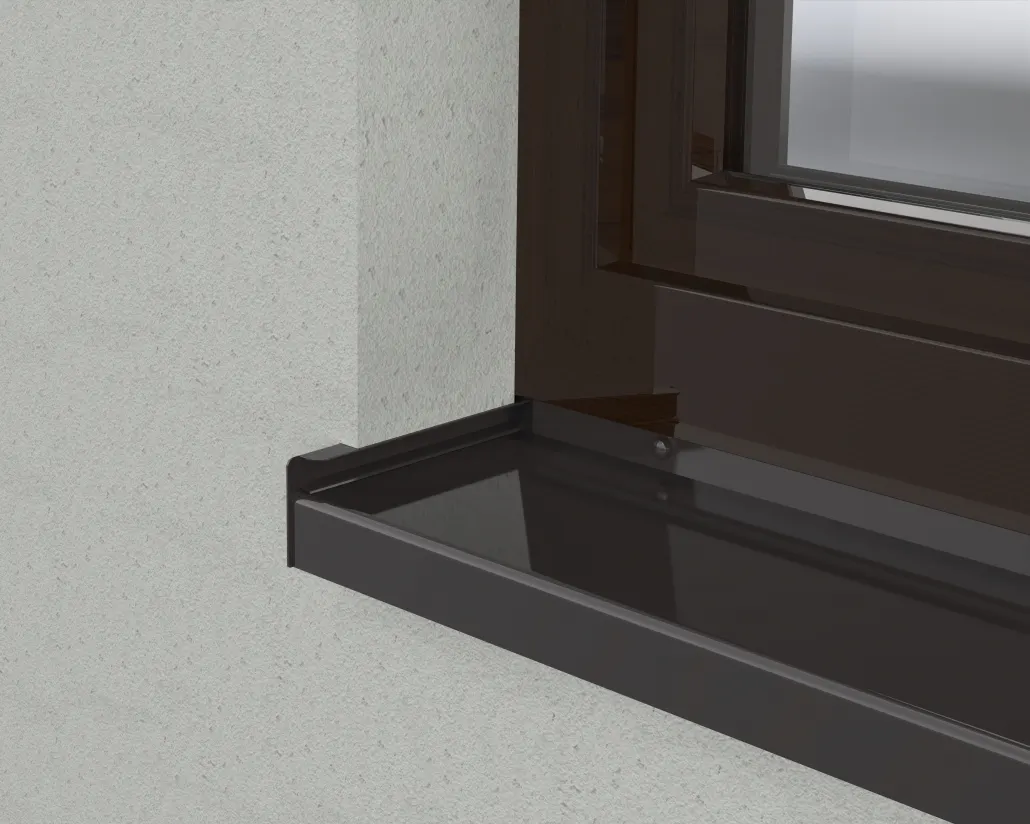
Installed dark metal sill pan detail at the base of a commercial window opening

Sill Pans

Sill pans are a common breakout item because openings need repeatable water-management parts sized directly from the detail set.

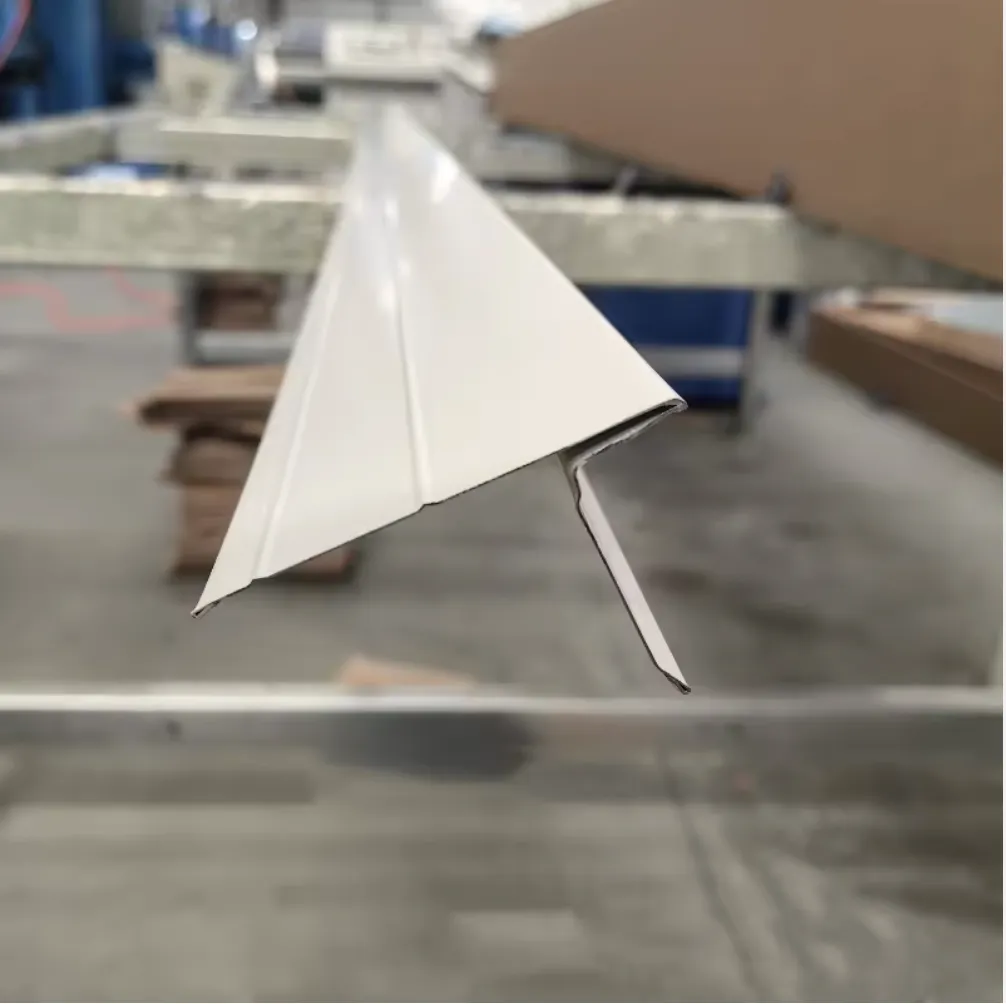
Brake-formed white step and Z flashing profile photographed in the shop

Step And Z-Flashings

These formed flashings show up wherever the envelope package needs layered protection at roof-to-wall and cladding transitions.
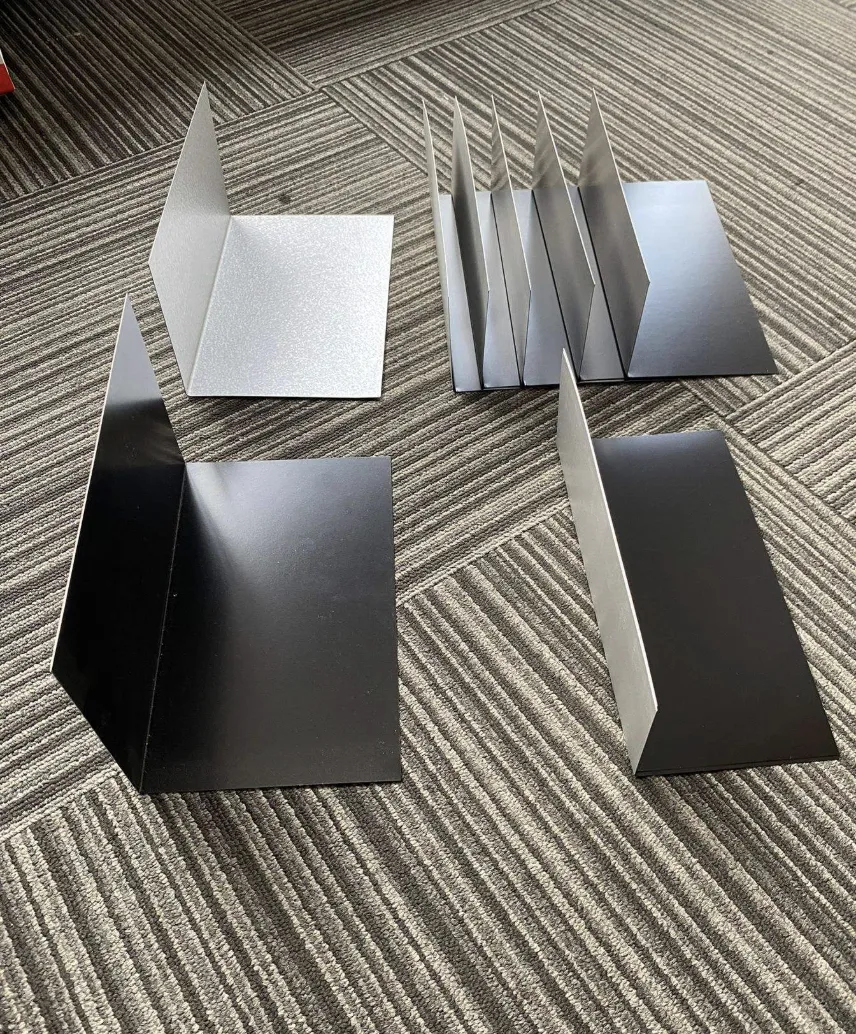
Brake-formed wall ledger and roof-to-wall flashing samples arranged on a floor for review

Wall, Ledger, And Roof-To-Wall Flashings

Buyers often price these parts separately because they resolve exposed horizontal-to-vertical interfaces across the facade.
Stacked formed drip edge pieces bundled on a table in the shop

Drip Edge And Gutter Apron Pieces

Perimeter edge conditions often become their own quote package because they are repetitive and sensitive to finish, length, and hem detail.
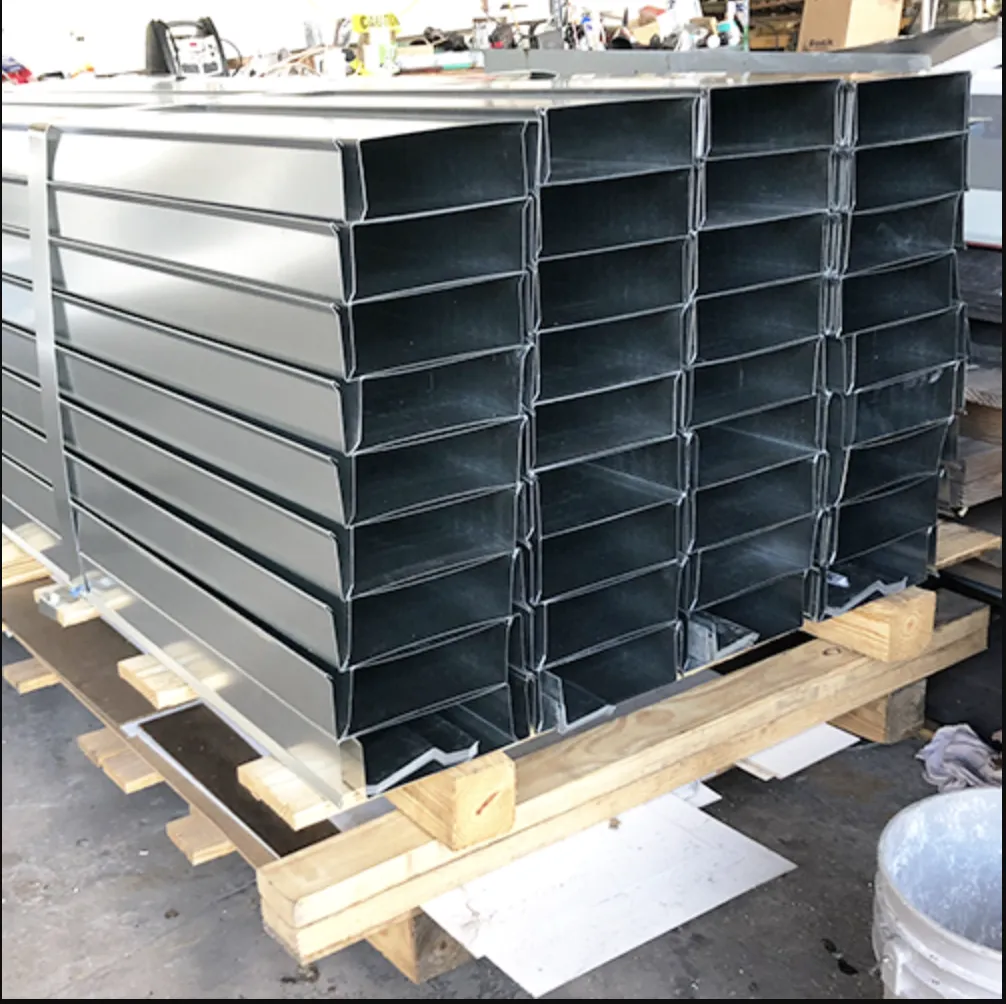
Stacked dark parapet coping and coping cap parts prepared for packaging

Parapet Copings And Coping Caps

Coping packages stay busy on commercial work because they combine visible finish requirements with parapet water protection.
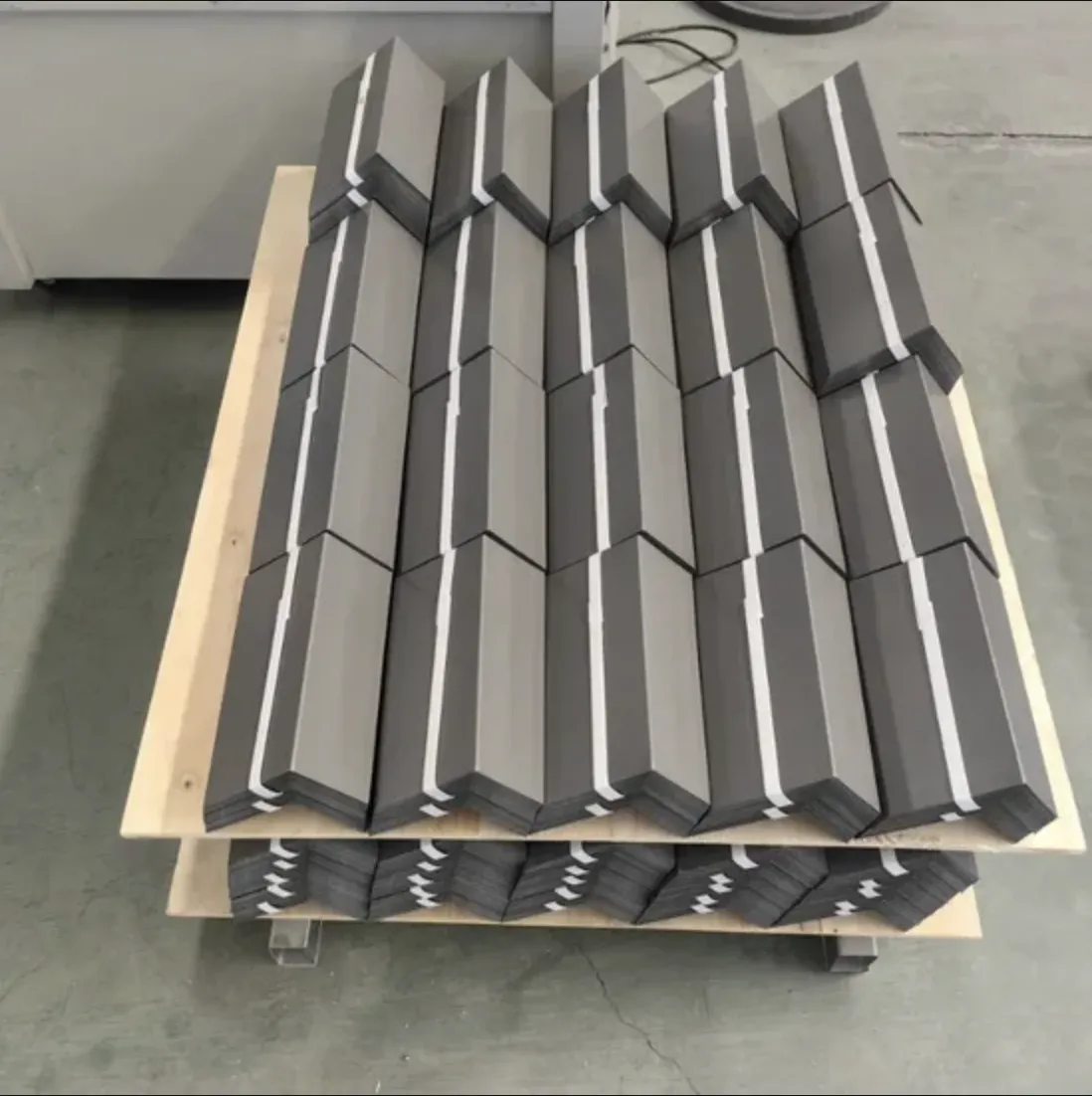
Stacked galvanized counterflashing-style formed parts on pallets in the shop

Reglets, Counterflashings, And Scuppers

These parts usually travel with the main flashing package whenever the design includes parapet drainage or masonry tie-in details.

Project references

Project references that show the envelope context

A quick look at the kind of exterior package these formed parts need to support.

Exterior view of Sherway Gardens in Toronto
Commercial envelope Toronto, ON

Sherway Gardens

A large commercial exterior package where skylights, curtain wall, metal panels, and entrances all need to coordinate cleanly.

Project overview
  • CMF worked on this project through KMI / TAGG as the Tier 1 supplier
  • Large retail exterior package with skylight systems, curtain wall, metal panels, and entrance work in one coordinated scope
  • Useful reference for perimeter conditions, openings, and repeatable exterior details
  • The kind of project where formed envelope parts need to arrive organized and ready to install

Image sourced from KMI / TAGG public project materials.

Artist rendering of the new building at 11 Brock Avenue in Toronto
Modular envelope Toronto, ON

11 Brock Ave

A Toronto exterior package with prefabricated interfaces, clean closure lines, and repeatable panel geometry.

Project overview
  • CMF worked on this project through FLYNN as the Tier 1 supplier
  • Prefabricated wall approach with clear perimeter and closure conditions
  • Useful reference for repeatable edge details and coordinated exterior geometry
  • The kind of package where formed trims, flashings, and closure pieces have to stay consistent across the job

Image sourced from City of Toronto public project materials.

Commercial package snapshot

Before you send an envelope package

Fit, drawing readiness, and packaging are usually what decide whether the RFQ moves forward.

01

Commercial package reality

The main questions are whether the package fits and whether CMF can handle the detail-driven parts cleanly.

Package types
Flashings, copings, pans, trims, parapet pieces, and other formed envelope components tied to commercial jobs
Material and finish context
Galvanized, stainless, and aluminum stay in play because corrosion, visibility, and finish coordination affect the buying decision
02

Input and coordination

Most envelope packages are still moving when pricing starts, so the key question is what is enough to quote.

Enough to quote
Marked-up details, architectural sheets, elevations, finish notes, and perimeter conditions are all useful inputs
Clarification style
Part families, lengths, finish assumptions, and missing dimensions can be tightened during review without slowing the package down
03

Release and logistics

Once the scope fits, the next question is how the release and packaging will arrive on site.

Quote speed
Commercial quote response within 24 hours
Package handling
Parts can be grouped by opening, building edge, or release phase so the field team receives a usable package

This page is built for commercial envelope packages, not broad system manufacturing or retail repair.

Project fit

What fits cleanly within an envelope RFQ

The goal here is to qualify the formed-part package quickly, not make a broad roofing or facade claim.

Best fit for CMF

  • Flashings, copings, sill pans, trims, and repeatable formed envelope parts tied to commercial details and finish notes.
  • Packages with elevations, marked-up details, opening conditions, or perimeter edge information ready for fabrication review.
  • Releases that need parts grouped by opening, edge condition, or phase so the install team is not sorting mixed parts on site.

Usually out of scope

  • Retail roofing repair requests, homeowner work, and maintenance-style one-offs.
  • Broad facade-system supply claims that go beyond adjacent formed-part fabrication.
  • Site installation labor or requests that still lack enough detail context to define the fabricated part family.
Existing quote flow

Share plans or drawings for flashings, copings, and back pans

Send plans, drawings, or project details through the standard quote form. CMF will review the scope around flashings, copings, back pans, trim packages, and other formed envelope parts.

  • Drawings, details, and marked-up sheets are enough to start.
  • Retail roofing and decorative one-off requests remain out of scope.
  • Commercial envelope scope keeps the request clear.
Share plans or drawings for flashings, copings, and back pans Browse the resource center

The existing /quote/ flow stays the intake path for all construction pages.

Project FAQ

Architectural / Building Envelope FAQ

These are the usual questions before a formed-part envelope package goes out for pricing.

Can you quote directly from architectural details and marked-up drawings?

Yes. Architectural details, opening conditions, finish schedules, and marked-up sheets are enough to start. The package does not need to be fully finalized before pricing begins.

Do I need complete shop drawings before reaching out?

No. Early-stage detail sets, elevations, and perimeter notes are still useful. CMF can identify what is missing and tighten the fabrication scope through follow-up questions.

Can you quote while galvanized, aluminum, or the finish is still being decided?

Yes. You can start the quote conversation even if the final material or coating decision is still being resolved. CMF can quote against the current spec and flag what still needs to be confirmed.

Do you install flashings and coping on site?

No. CMF handles fabrication, packaging, and delivery support. Field installation and retail roofing service remain out of scope.

Can repeated perimeter packages be split by phase or building area?

Yes. Commercial envelope packages are easier to manage when parts are grouped by opening type, parapet run, building edge, or release phase instead of shipping as one mixed batch.

Get a Quote Call Now