Comparisons
Phase 2 knowledge base
Galvanized Steel vs Aluminum
Use the matrix to compare weight, stiffness, corrosion behavior, fabrication fit, and the cost of choosing the lighter substrate.
Need CMF to evaluate the material against a real install environment? Use /quote/, call 647-407-0171, or email info@canadianmetalfab.com.
- Start with load, handling, and exposure constraints.
- The matrix weighs stiffness against reduced mass.
- Galvanic compatibility is part of the decision, not a footnote.
- Built for commercial buyers comparing real install conditions.
Material context
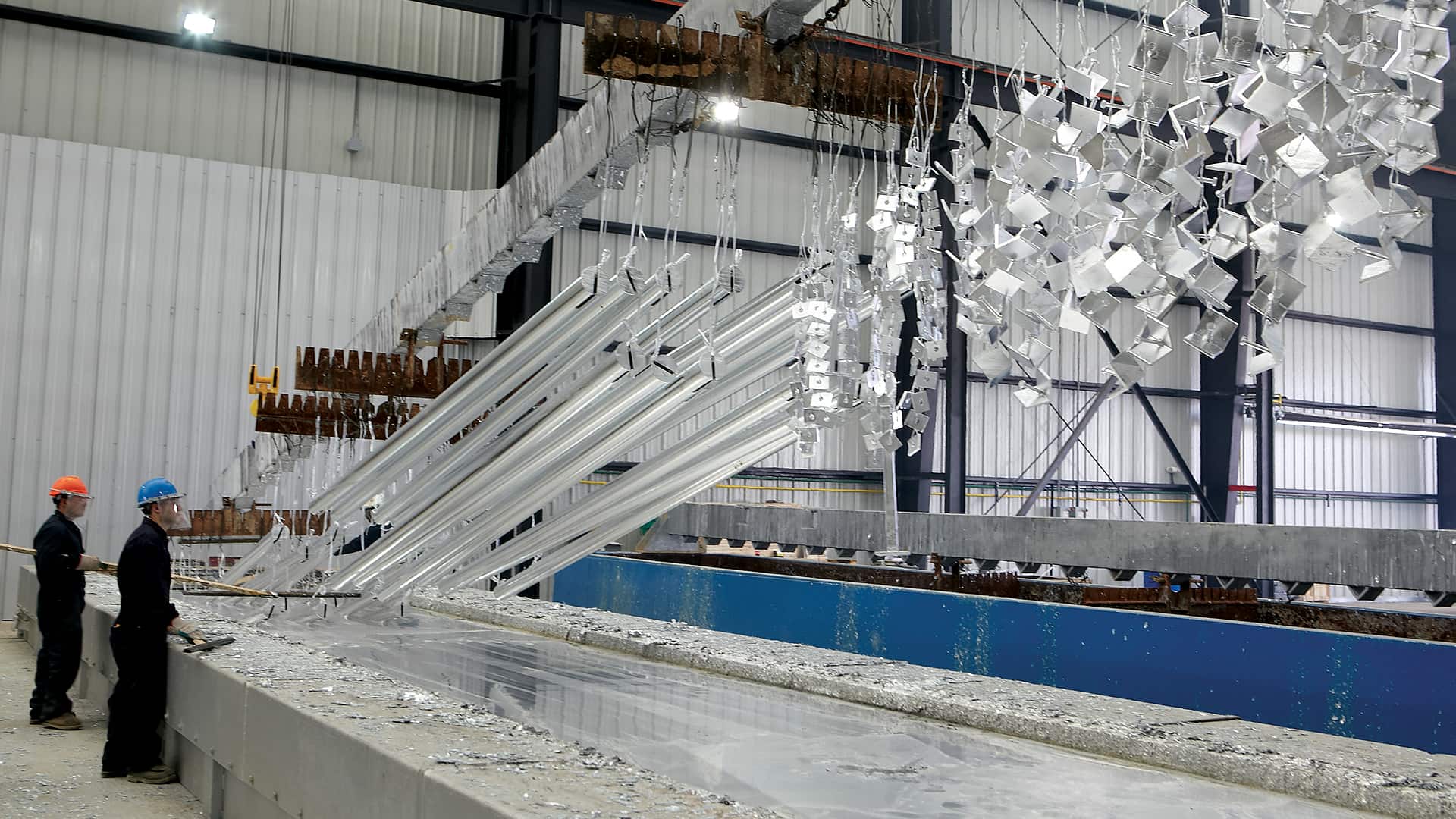
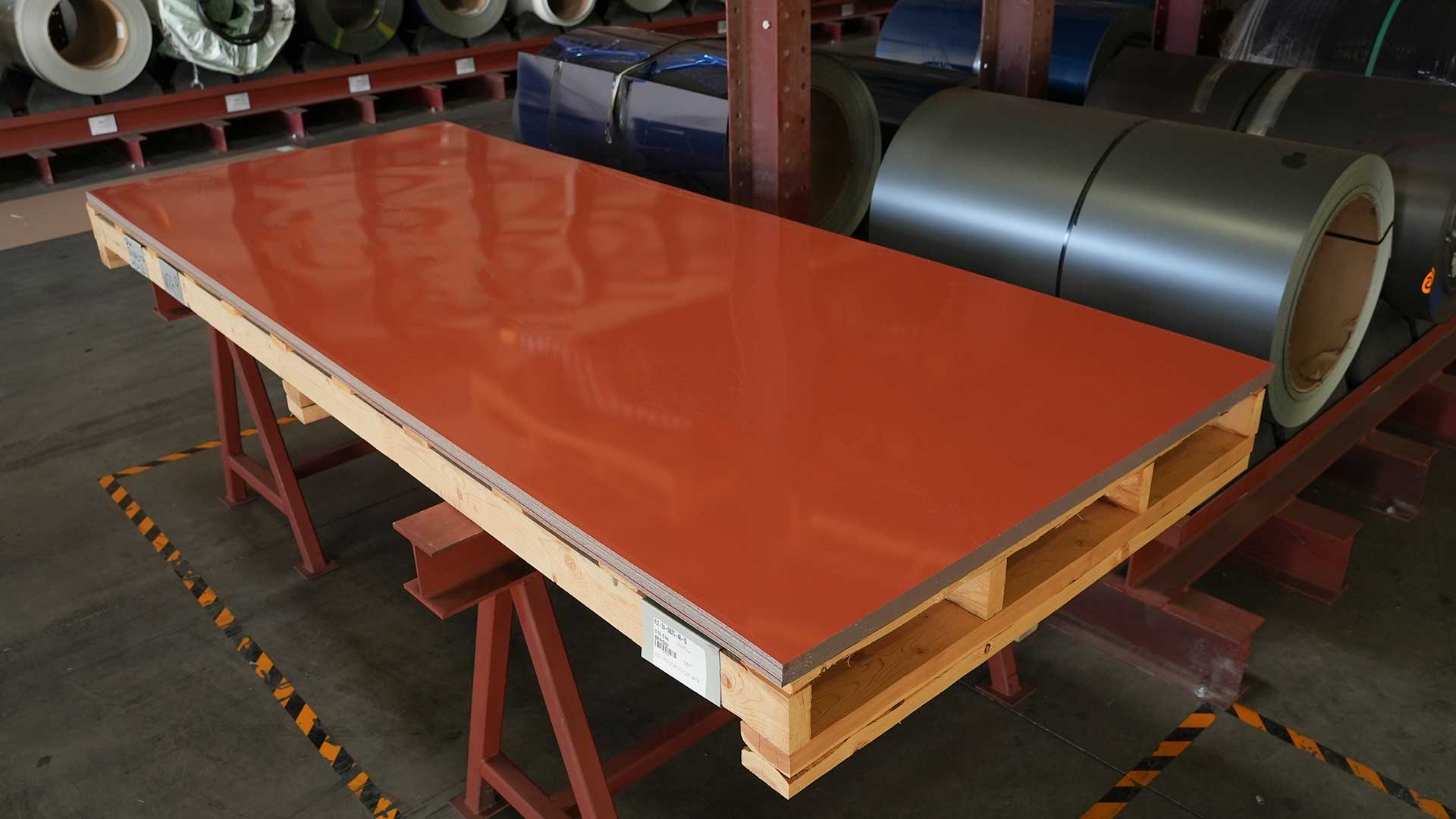
The comparison is most useful when a project team needs to choose the substrate before geometry, fasteners, and finish are locked.
How CMF reads this material decision
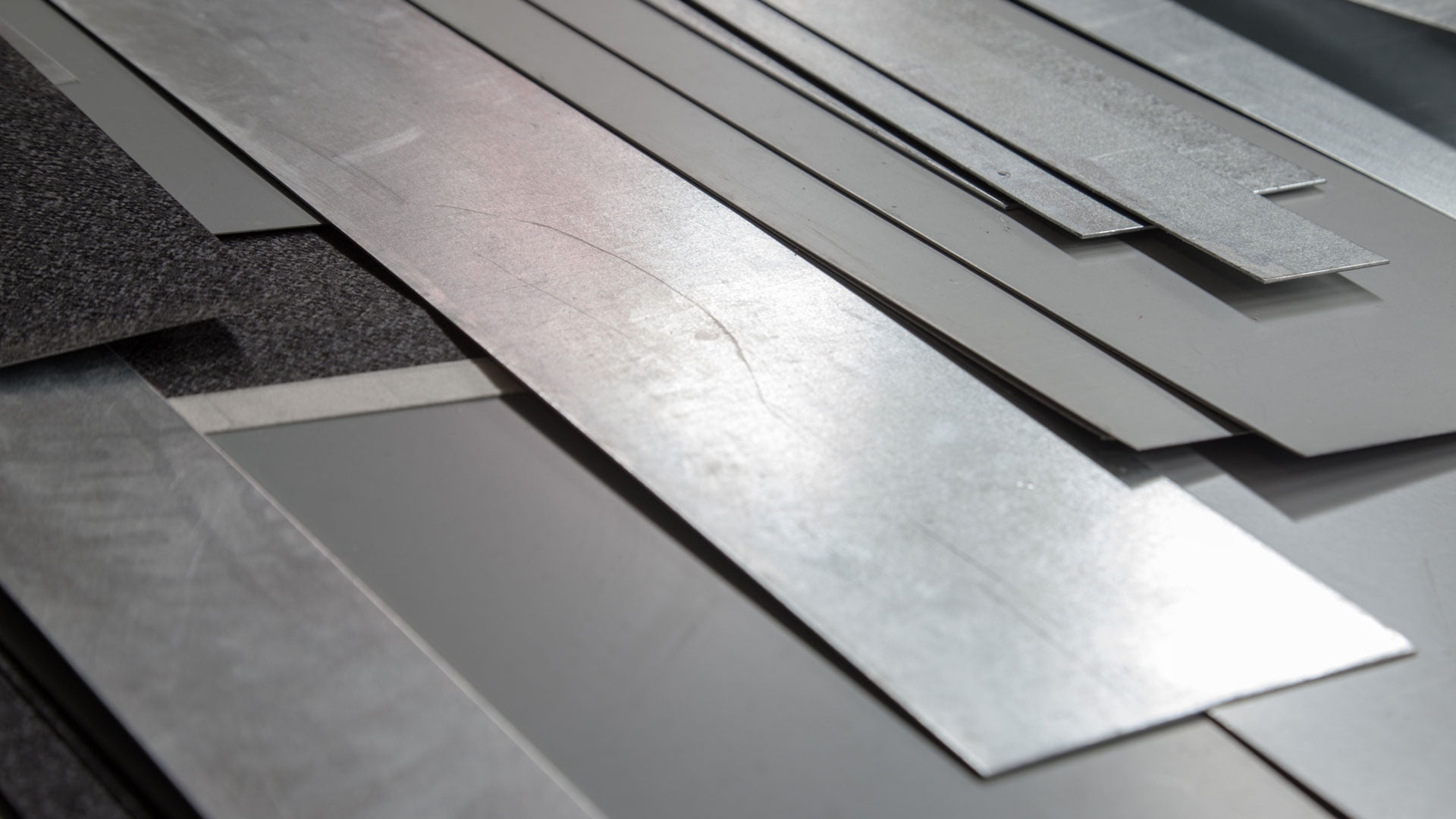
This page is aimed at commercial buyers who need a substrate decision, not a lightweight overview article. The practical questions are usually weight, stiffness, corrosion behavior, and whether the project can tolerate mixed-metal details without galvanic issues.
- Galvanized steel is the practical default for most commercial trims and formed parts.
- Aluminum is worth the premium when weight, handling, or certain exposure conditions matter.
- Mixed-metal assemblies should be reviewed for galvanic isolation before release.
- For many commercial use cases, galvanized steel stays the default unless weight or exposure pushes the decision toward aluminum.
Material tradeoff matrix
The safer commercial default is often galvanized steel, but aluminum earns the premium when weight, handling, or certain exposure conditions matter enough to justify it.
| Decision point | Heavier substrateGalvanized steel | Lightweight substrateAluminum |
|---|---|---|
| Relative weight | Heavier, so it is less forgiving when the assembly is large or the install has strict load-handling constraints. | Much lighter, which can make a big difference on large trims, cladding accessories, and pieces that get moved by hand. |
| Strength / stiffness | Usually gives the more rigid, impact-tolerant feel for formed commercial parts and longer spans. | Lighter and easier to move, but the design often needs more attention to thickness and deflection if stiffness is critical. |
| Corrosion behavior | The zinc coating provides sacrificial protection that is well understood in commercial fabrication and site exposure. | Aluminum forms a stable oxide layer, but the exposure story changes with chloride, moisture, and the details around fasteners and edges. |
| Coastal / wet-environment behavior | Often acceptable, but the project environment and coating integrity still matter, especially where damage or pooling water is likely. | Can be a strong choice where weight matters and the detailing is disciplined, especially if the assembly is designed to avoid galvanic traps. |
| Formability and fabrication notes | A practical all-rounder for trims, flashings, and formed parts that need rigidity and predictable fabrication behavior. | Lighter and easy to handle, but edge treatment, bend strategy, and fastener choice matter more when the assembly includes mixed metals. |
| Galvanic compatibility warning | Needs normal mixed-metal care, especially where dissimilar fasteners or adjacent metals are part of the assembly. | Requires explicit isolation when paired with dissimilar metals; the galvanic conversation should happen before release, not after install. |
| Finish / paint considerations | Can be painted or coated, but the surface prep and coating sequence should be matched to the actual finish plan. | Can also be finished, but the coating stack and prep steps should be chosen with the aluminum substrate in mind. |
| Typical commercial use cases | A practical default for formed flashings, trims, panels, and parts where rigidity, cost, and familiar fabrication behavior matter. | Worth the premium when weight, handling, or certain corrosion expectations dominate the decision more than raw stiffness. |
Relative weight
Galvanized steel
Heavier, so it is less forgiving when the assembly is large or the install has strict load-handling constraints.
Aluminum
Much lighter, which can make a big difference on large trims, cladding accessories, and pieces that get moved by hand.
Strength / stiffness
Galvanized steel
Usually gives the more rigid, impact-tolerant feel for formed commercial parts and longer spans.
Aluminum
Lighter and easier to move, but the design often needs more attention to thickness and deflection if stiffness is critical.
Corrosion behavior
Galvanized steel
The zinc coating provides sacrificial protection that is well understood in commercial fabrication and site exposure.
Aluminum
Aluminum forms a stable oxide layer, but the exposure story changes with chloride, moisture, and the details around fasteners and edges.
Coastal / wet-environment behavior
Galvanized steel
Often acceptable, but the project environment and coating integrity still matter, especially where damage or pooling water is likely.
Aluminum
Can be a strong choice where weight matters and the detailing is disciplined, especially if the assembly is designed to avoid galvanic traps.
Formability and fabrication notes
Galvanized steel
A practical all-rounder for trims, flashings, and formed parts that need rigidity and predictable fabrication behavior.
Aluminum
Lighter and easy to handle, but edge treatment, bend strategy, and fastener choice matter more when the assembly includes mixed metals.
Galvanic compatibility warning
Galvanized steel
Needs normal mixed-metal care, especially where dissimilar fasteners or adjacent metals are part of the assembly.
Aluminum
Requires explicit isolation when paired with dissimilar metals; the galvanic conversation should happen before release, not after install.
Finish / paint considerations
Galvanized steel
Can be painted or coated, but the surface prep and coating sequence should be matched to the actual finish plan.
Aluminum
Can also be finished, but the coating stack and prep steps should be chosen with the aluminum substrate in mind.
Typical commercial use cases
Galvanized steel
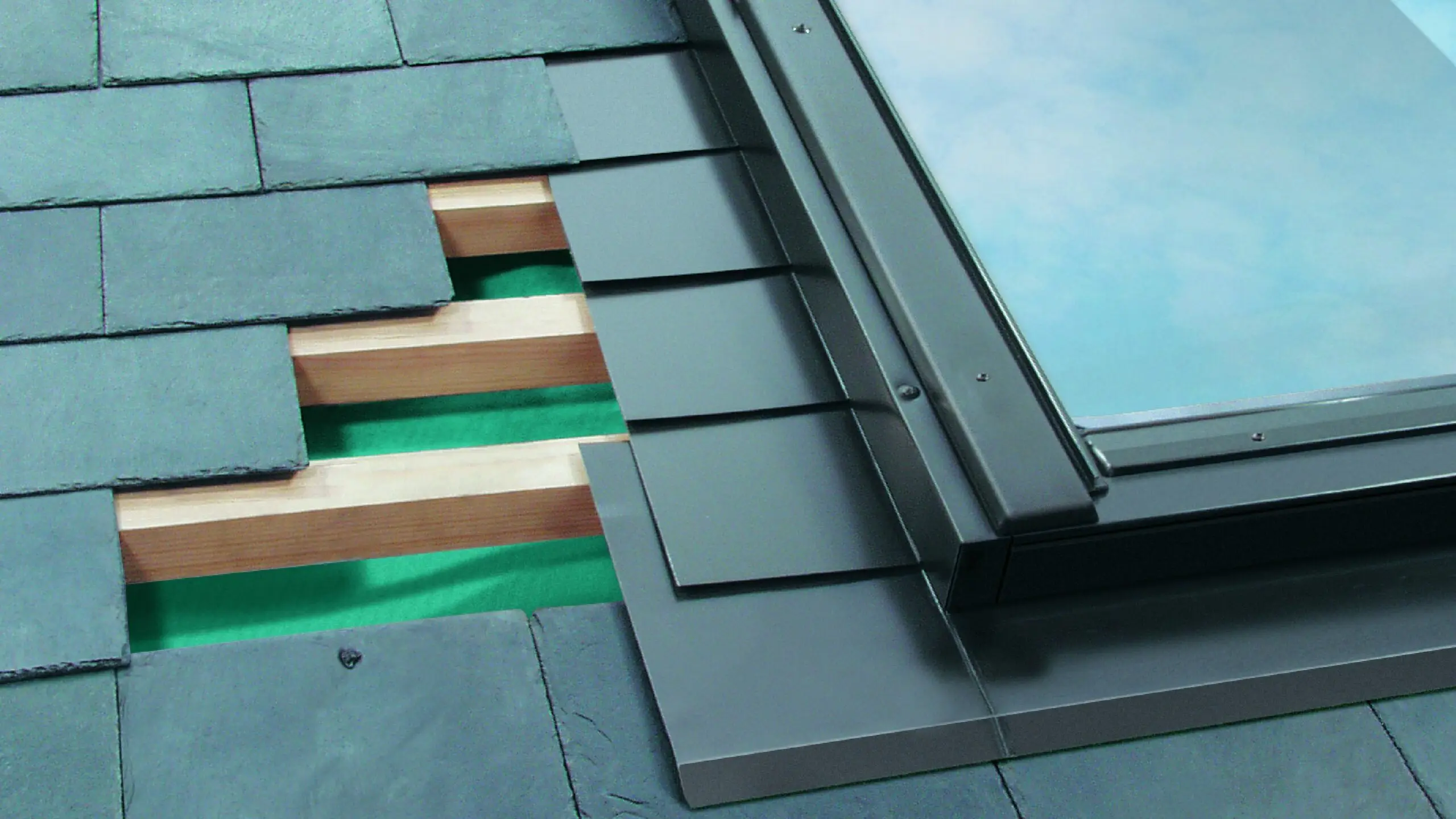
A practical default for formed flashings, trims, panels, and parts where rigidity, cost, and familiar fabrication behavior matter.
Aluminum
Worth the premium when weight, handling, or certain corrosion expectations dominate the decision more than raw stiffness.
Galvanized steel is the practical default
Use galvanized steel when the job wants rigidity, cost control, and a familiar commercial fabrication answer for trims, flashings, and panels.
Aluminum is worth the premium when weight matters
Choose aluminum when the part has to stay light, the assembly is handled often, or the project can justify the premium for reduced mass and easier movement.
Mixed-metal contact needs explicit caution
If the part will touch other metals, call out isolation, fastener choice, and drainage details before release so the assembly does not create a galvanic problem on site.
Ask for environment review on high-exposure work
Salt, standing water, dissimilar metals, and highly visible finish requirements can change the recommendation quickly, so the install environment should be checked before quoting.
Reference-first guidance. Confirm galvanic contact, finish sequence, and site exposure before release.
Material guidance
Need help choosing the material for formed flashings, trims, or panels?
Send the install environment, target part geometry, and any finish expectations through the existing quote flow. CMF can usually narrow the choice between galvanized steel and aluminum quickly once the real conditions are on the table.
- The recommendation can account for weight, corrosion, and fabrication fit together.
- Mixed-metal contact questions can be checked before the part is released.
- You can still call or email if the material decision is simple enough to answer live.
Request a QuoteEmail info@canadianmetalfab.com
Or use /quote/ for the cleanest handoff; phone and email stay open if that is faster.