Custom Die Making & Tool Building in Ontario
Drawing-led review for stamping, forming, blanking, maintenance, and repair tooling. Capability, routing, tolerances, tryout, validation, documentation, and timing are confirmed for the specific project.
Who Needs Custom Die Making?
New tooling, replacement tooling, and repair requirements start with the available drawings, press details, material, volume, expected life, validation plan, and required date.
Manufacturing Operations
Your current dies are wearing out and parts are drifting out of spec. You need a reliable tooling partner who understands production pressures and can deliver dies that run.
- Replacement dies that match existing specs
- Die repair and maintenance programs
- Urgency and repair availability reviewed promptly
Product Engineers
You've designed a new stamped part and need tooling that can hit your tolerances in production. We work with engineering teams from prototype through production validation.
- DFM review for stampability
- Prototype and production tooling
- Design deliverables scoped when available
Contract Manufacturers
Your customer awarded a program and you need tooling aligned to its specifications. Build-to-print, design, sampling, PPAP support, and documentation are confirmed as separate deliverables.
- Build-to-print die manufacturing
- Documentation package agreed before release
- PPAP sample support when explicitly quoted
Types of Dies We Build
These common tooling categories can be discussed. Final capability and routing depend on the supplied program requirements.
Progressive Dies
Multi-station tooling for sequential blanking and forming operations, evaluated against part, press, strip, volume, and validation requirements.
Blanking Dies
Blanking-tool requirements reviewed against material, edge condition, burr direction, dimensional requirements, press, and production volume.
Forming Dies
Draw dies, bend dies, and form dies for three-dimensional shapes. Deep draws, flanges, and complex geometries.
Compound Dies
Multiple operations in a single stroke. Blanking and piercing combined for efficient production of simple parts.
Transfer Dies
Separate die stations with mechanical transfer between operations. Ideal for larger parts requiring multiple forming steps.
Die Repair & Rebuild
Restore worn dies to original specifications. Component replacement, sharpening, re-timing, and complete rebuilds.
Capability & Process Review
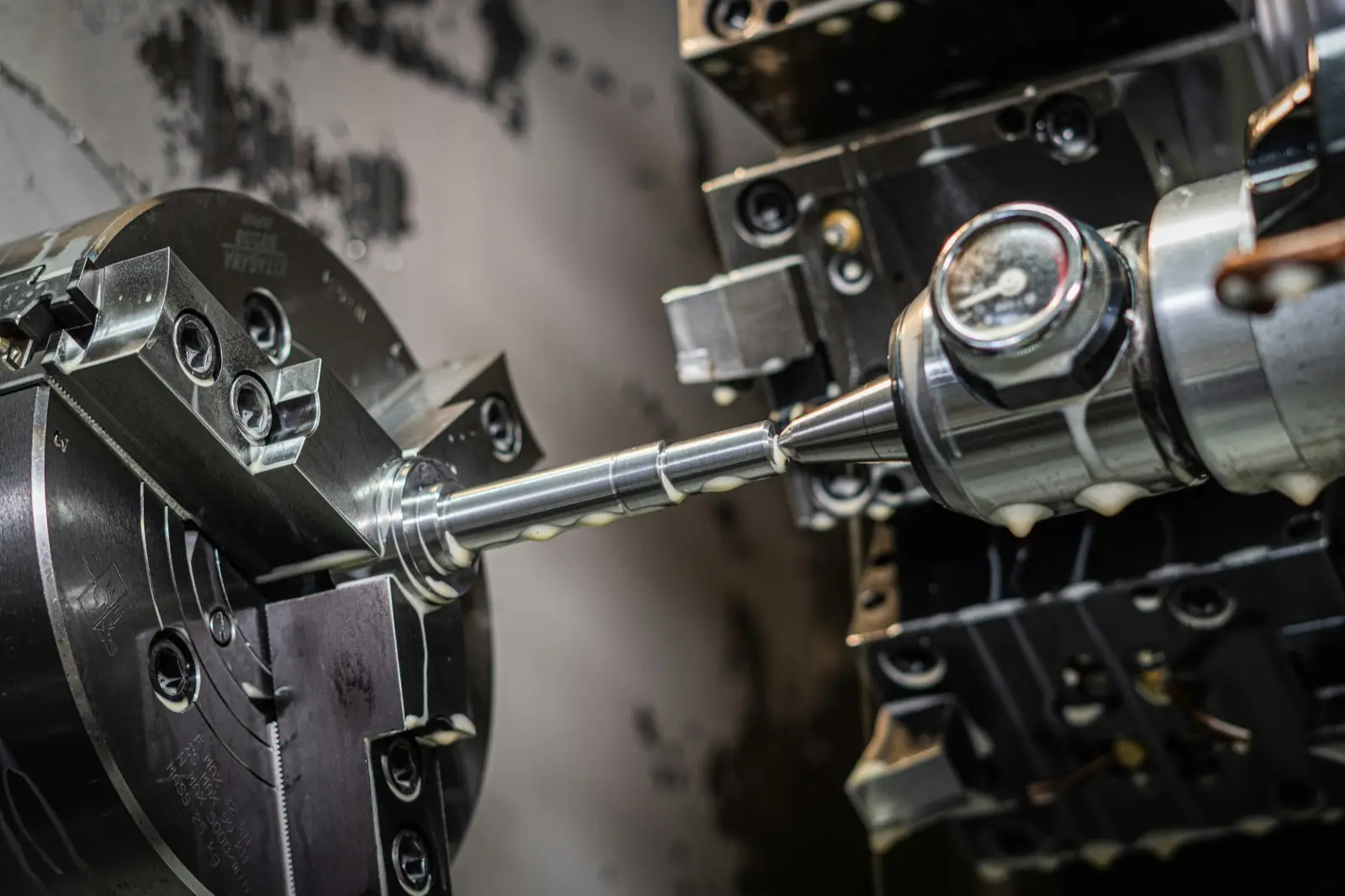
Machining, grinding, EDM, heat treatment, inspection, assembly, and tryout requirements are reviewed against the project. The quote identifies the available routing and does not assume every process or measuring method is performed in-house.
Tool Steels & Die Materials
Tool material is selected from the approved application requirements, production volume, stamped material, expected life, maintenance plan, and budget. Availability and processing are confirmed per project.
D2 Tool Steel
High-carbon, high-chromeExcellent wear resistance for blanking and forming. Standard choice for most production dies.
A2 Tool Steel
Air-hardeningGood toughness and dimensional stability. Ideal for intricate die sections.
S7 Tool Steel
Shock-resistantHigh impact resistance for heavy blanking operations and thick materials.
M2 High Speed
HSSExcellent red hardness. Used for punches in high-speed operations.
Carbide
Tungsten carbideA wear-resistant option for selected applications; suitability and expected life depend on the complete tooling system and operating conditions.
O1 Tool Steel
Oil-hardeningEconomical choice for lower-volume tooling and prototype dies.
4140 Pre-Hard
Die shoes & holdersCost-effective for non-wear surfaces. Die sets and backing plates.
CPM Steels
Powder metallurgyPremium performance for demanding applications. Superior toughness and wear.
Not sure which material belongs in the specification? Send the program requirements for a project-specific review.
Common Tooling Applications
Industry context helps frame documentation and validation needs, but project fit is determined from the actual part, press, material, volume, and requirements.
Automotive
Brackets, clips, and formed components where APQP or PPAP deliverables may need to be explicitly scoped.
Appliances
Housings, brackets, internal components for major appliance manufacturers.
Electronics
Enclosures, EMI shields, chassis components. Precision tolerances for electronic assemblies.
HVAC
Ductwork components, equipment housings, brackets for heating and cooling systems.
Furniture
Office-furniture components, brackets, and hardware, with tooling type and volume fit confirmed per program.
Medical
Equipment enclosures and brackets where cleanliness, documentation, and applicable regulatory requirements must be stated by the customer.
Agricultural
Heavy-duty brackets, guards, and structural components for farm equipment.
General Manufacturing
Custom stamped-part requirements considered after part geometry, material, press, volume, and validation needs are reviewed.
Questions to Resolve Before Tool Release
A clear scope connects the tooling design, production press, stamped material, sampling plan, acceptance criteria, and documentation.
"The last die shop delivered a die that wouldn't run"
Bad tooling means production delays and scrap.
Our approach: Tryout location, press, sample quantity, adjustment cycles, acceptance criteria, and documentation are agreed before the tooling plan is released.
"My die is down and I need it back yesterday"
Production stops cost real money every hour.
Our approach: Production-down urgency is identified at intake. Repair feasibility and timing are confirmed after the tool condition, drawings, spares, and available capacity are reviewed.
"I need complete documentation for our quality system"
Incomplete tooling records create audit headaches.
Our approach: Assembly drawings, BOM, inspection records, tryout data, and PPAP support are listed as explicit deliverables where required; they are not assumed for every project.
"I need someone who actually understands stamping"
Shops that don't run dies don't know what matters.
Our approach: The review centers on the production press, material, feeds, sensors, maintenance access, expected life, sampling, and acceptance criteria—not a generic tooling promise.
Die Development Process
This is a typical planning sequence. The actual deliverables, owners, and routing are confirmed in the project quote.
Design Review
We analyze your part prints, discuss requirements, and provide DFM feedback.
Die Design
CAD, simulation, detailed drawings, and BOM included only when listed in the agreed scope.
CNC Machining
Machining and heat-treatment routing established for the approved component drawings.
Assembly
Assembly, component fitting, and timing performed according to the approved routing and responsibility plan.
Tryout & Delivery
Tryout location, samples, adjustment cycles, acceptance criteria, and documentation agreed before release.
Die Making FAQ
How much does a custom die cost?
Die cost depends on part geometry, tool type, press interface, material, production volume, expected life, purchased components, tryout, validation, and documentation. Pricing and quote timing follow review of the available files and requirements.
What's the lead time for custom die manufacturing?
Lead time depends on design maturity, complexity, material and component availability, process routing, tryout, validation, documentation, and current capacity. Include the required date so feasibility and milestones can be confirmed.
What types of dies do you manufacture?
Progressive, blanking, forming, draw, compound, and transfer-die requirements can be evaluated. The quote confirms available capability, routing, tryout, validation, and documentation for the specific program.
Do you offer die repair and maintenance services?
Sharpening, component replacement, re-timing, rebuild, and maintenance requirements can be reviewed after the tool condition, drawings, spare components, press details, and production urgency are known.
What tolerances can you hold on die components?
Achievable component tolerances and inspection methods depend on geometry, material, heat treatment, process routing, measurement access, and the approved drawing. Critical dimensions and the inspection plan are confirmed before release.
Can you work from our existing die designs?
Existing die designs and part drawings can be reviewed. Build-to-print, design support, simulation, validation, and documentation are separate scope items confirmed after the source files and requirements are assessed.
Do you provide tryout and sampling services?
Tryout location, press availability, sample quantity, measurement plan, adjustment cycles, approvals, and documentation are agreed per project. No universal in-house tryout or acceptance guarantee is assumed.
Do you offer die design services?
Die-design support can be evaluated from the part print, production requirements, press details, material, and source data. CAD, simulation, drawings, BOM, DFM, and documentation are quoted as explicit deliverables when available.
What industries do you serve with die making?
Die projects may be relevant to automotive, appliance, electronics, HVAC, furniture, agricultural, and general stamping applications. Fit depends on the specific program requirements.
What areas do you serve for die making?
Ontario projects can be reviewed from the Mississauga facility. Pickup, delivery, freight method, service area, and timing are confirmed for the specific tool before the order proceeds.
Ready to Discuss Your Tooling Project?
Send the part drawing, tool data, production press, stamped material, annual volume, expected life, validation requirements, documentation needs, and required date. We will confirm whether the project fits and what the quote includes.
Capability, routing, tryout, inspection, quality documentation, and schedule are confirmed per project.